
Exhibitions, studio archives, correspondence, and spatial practices of shared air
In Brief
This page gathers
exhibitions,
embodied archives,
temporary studio arrangements,
sound works,
correspondence-based projects,
and spatial practices
that develop the constellations in dialogue with the screen, text, or workshop.
Across these projects, the archive becomes an embodied, relational structure: something made through gathering, listening, reading, breath, fragments, sound, letters, annotations, images, bodies, and place.
My installations often emerge from embodied workshops, listening and reading groups, residencies, research encounters, and collective study.
Collaboration, Care, and Contestation
At the same time, I do not understand collaboration as inherently harmonious or uncomplicated. These works are shaped by the tensions, negotiations, responsibilities, asymmetries, silences, and sometimes discomforts that arise when people gather, listen, make, remember, or share space together. Rather than romanticising collectivity, I am interested in how relation is held with care, while also recognising that care is not a neutral. Care can be uneven, tiring, refused, misread, overburdened, or shaped by power; it can also ask who is expected to hold, listen, repair, accommodate, or remain available. In this sense, consent, difference, conflict, uncertainty, refusal, and partial participation become part of the work’s ethical and material structure.
These works ask:
What does an archive hold when it refuses to become complete?
How might a room become a place of correspondence, listening, and shared air?
Can an installation become a form of listening — partial, responsive, and still unfolding?
How can installation hold relation without fixing what has passed between us?
Tsarino Textual Breath
Razklon Gallery, Tsarino, Bulgaria
23 September – 23 November 2024
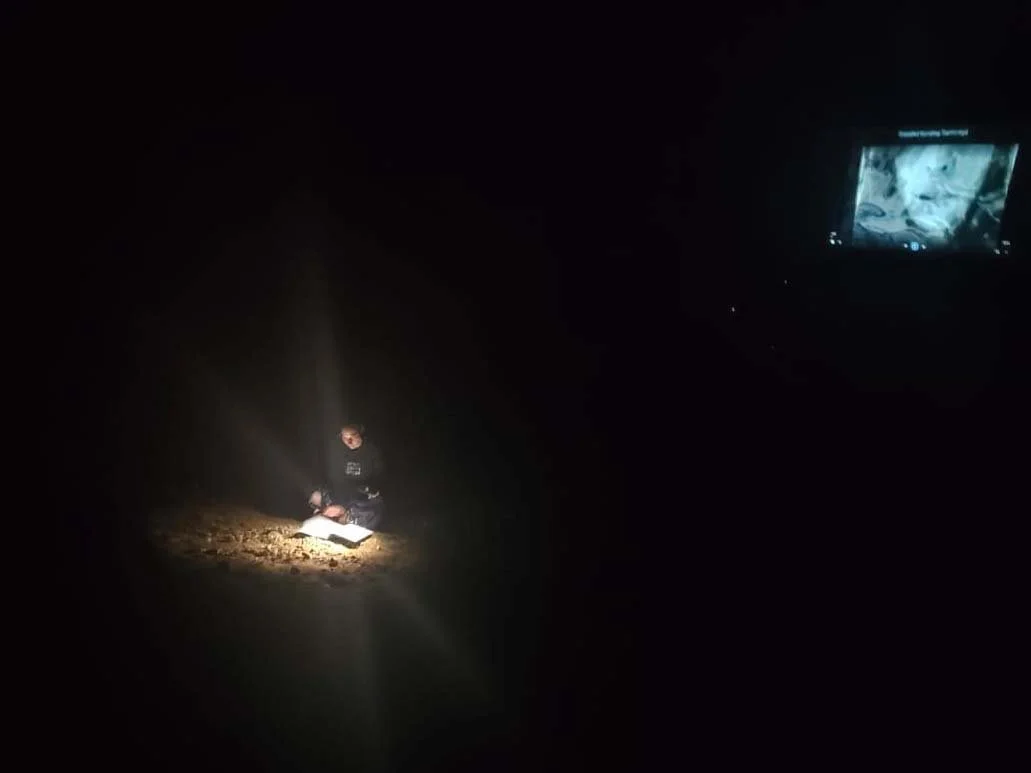
Tsarino Textual Breath emerged from a week-long series of breath-led listening and reading groups at Tsarino Artist Residency in the Bulgarian Eastern Rhodope Mountains.
The sessions took place in the outdoor kitchen, woodland paths, abandoned village spaces, and beside firelight under the stars. Local collaborators, visiting artists, and volunteers were invited to share texts, memories, songs, stories, fragments, and bodily rememberings in multiple languages.
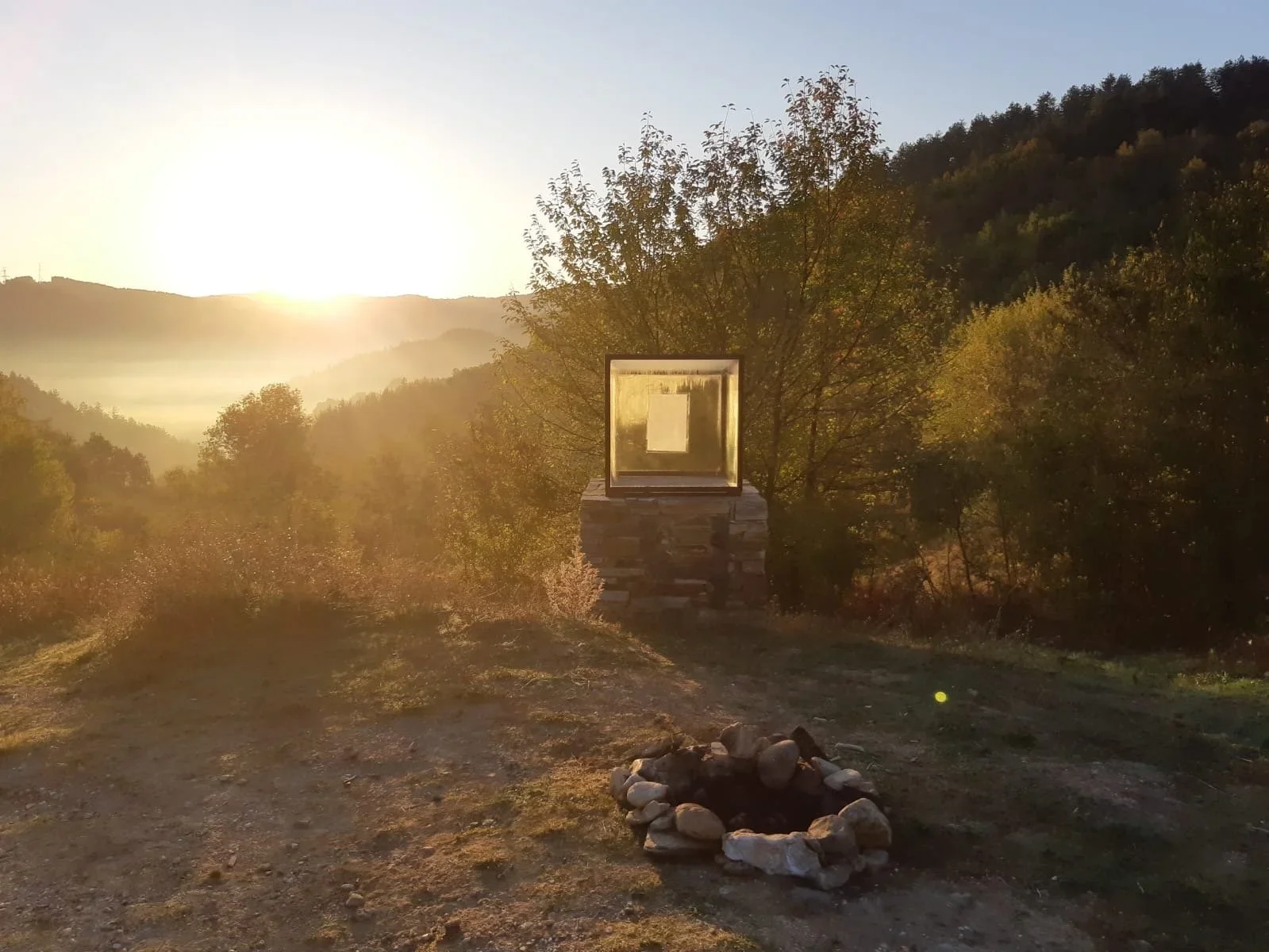
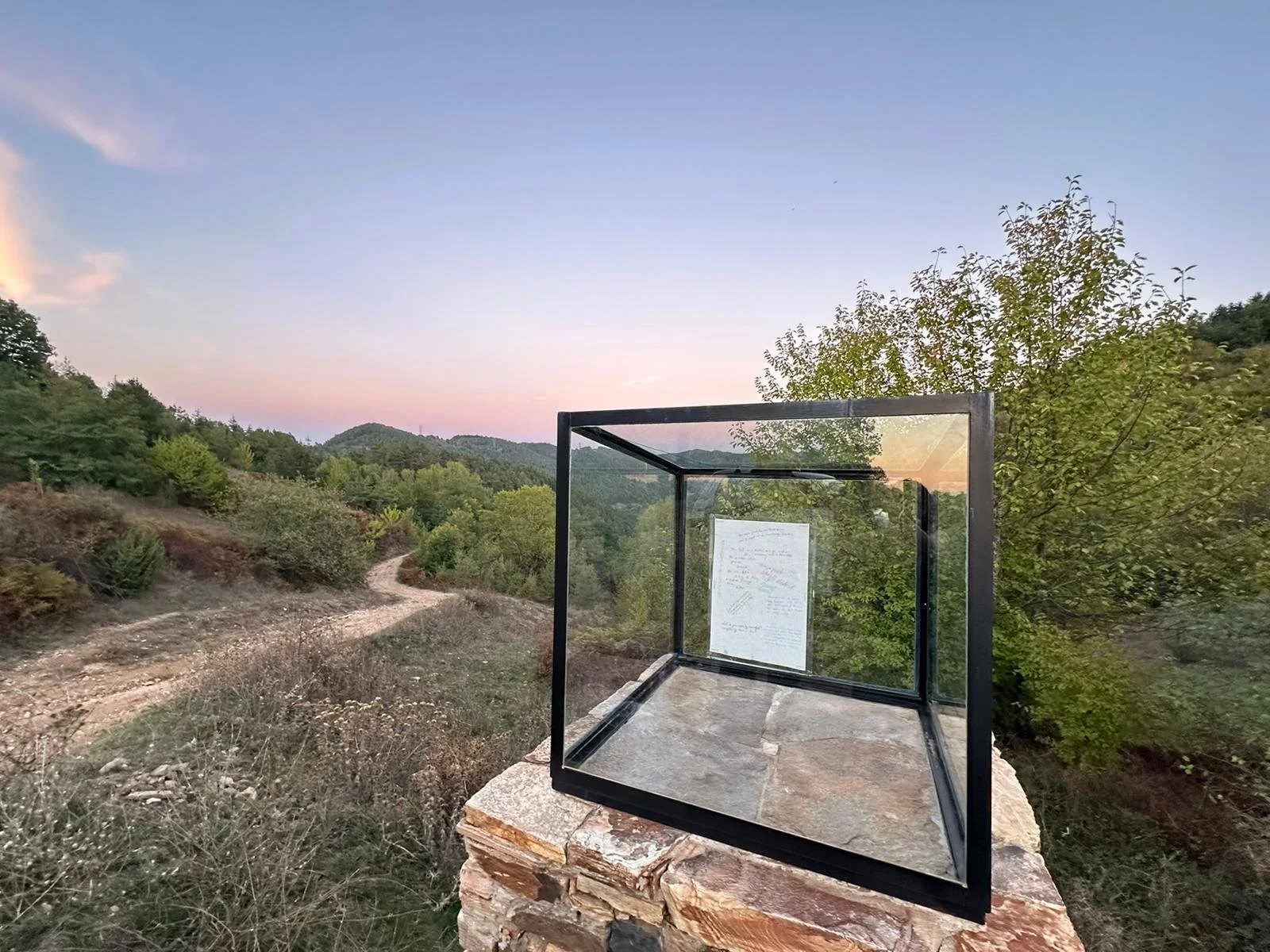
These gatherings culminated in a communal exhibition at Razklon Gallery. Each participant wrote their own text by hand, creating fragments that carried traces of the sessions, the languages spoken, and the atmospheres we had moved through together. The handwritten fragments were held inside a small plate made by artist Anouk van Wijk, which was then placed within a larger glass box and installed with her support. Suspended in the mountain air, the work remained on site from September to November 2024, held by weather, insects, animals, mountains, and the surrounding village.
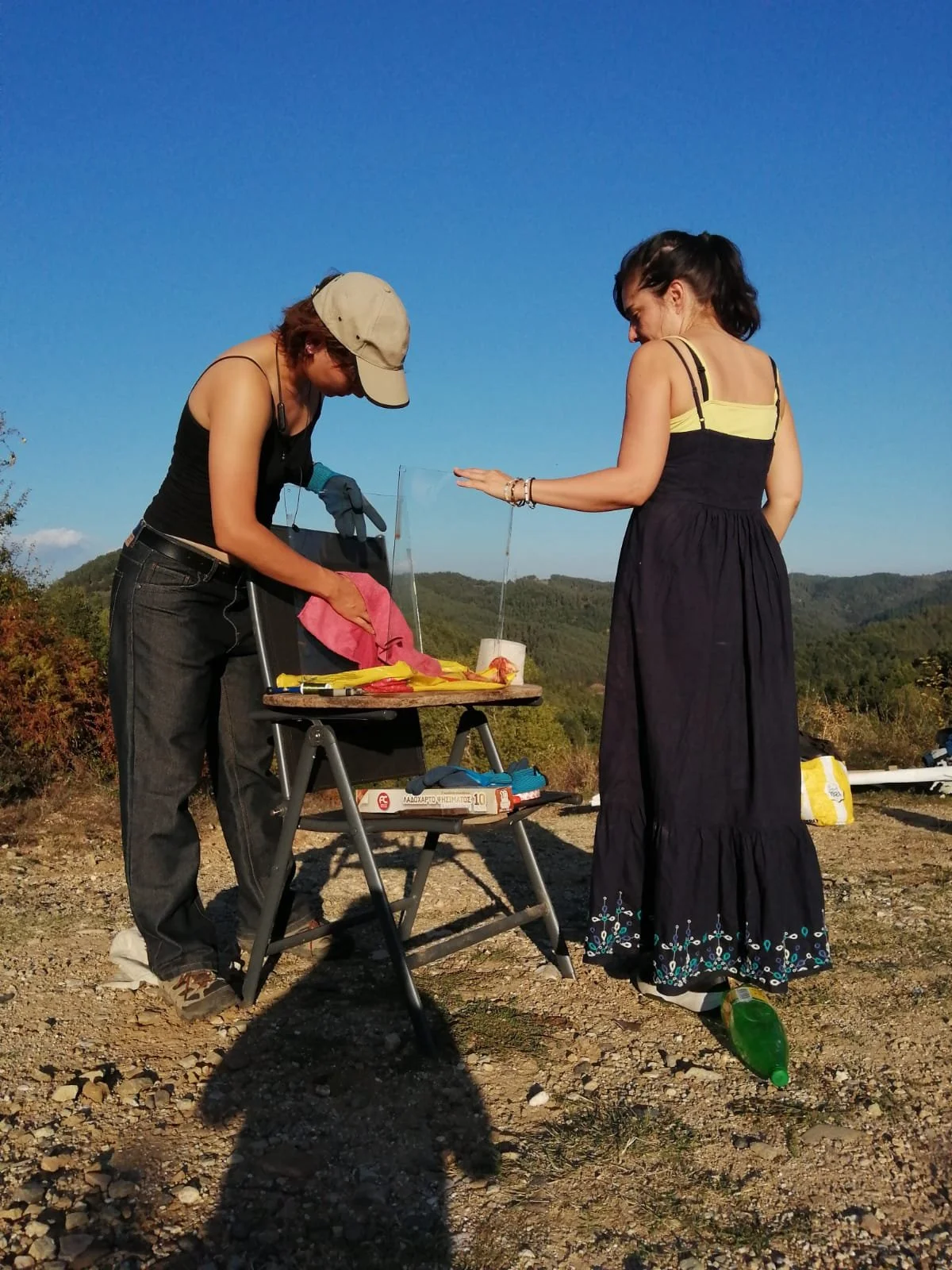
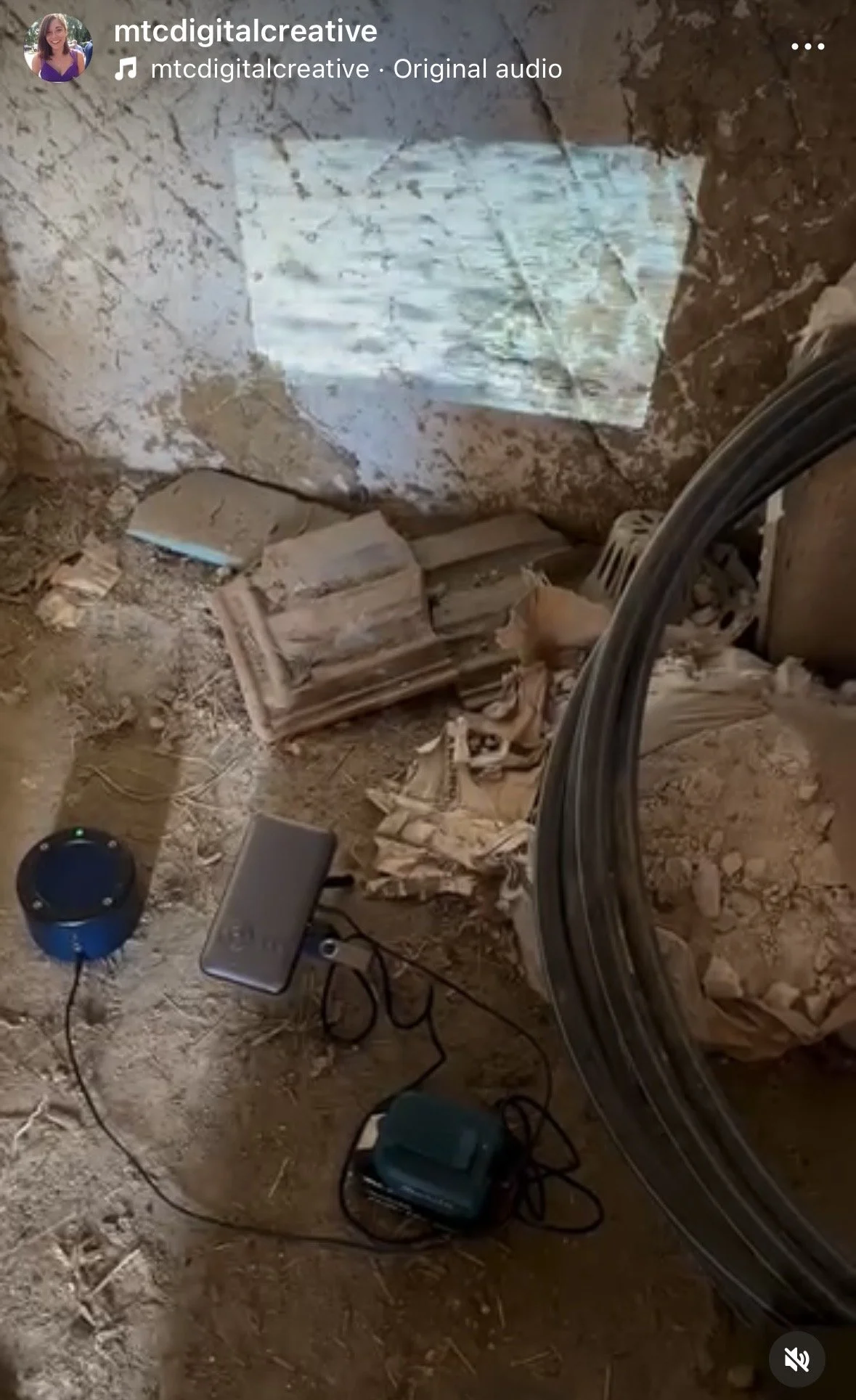
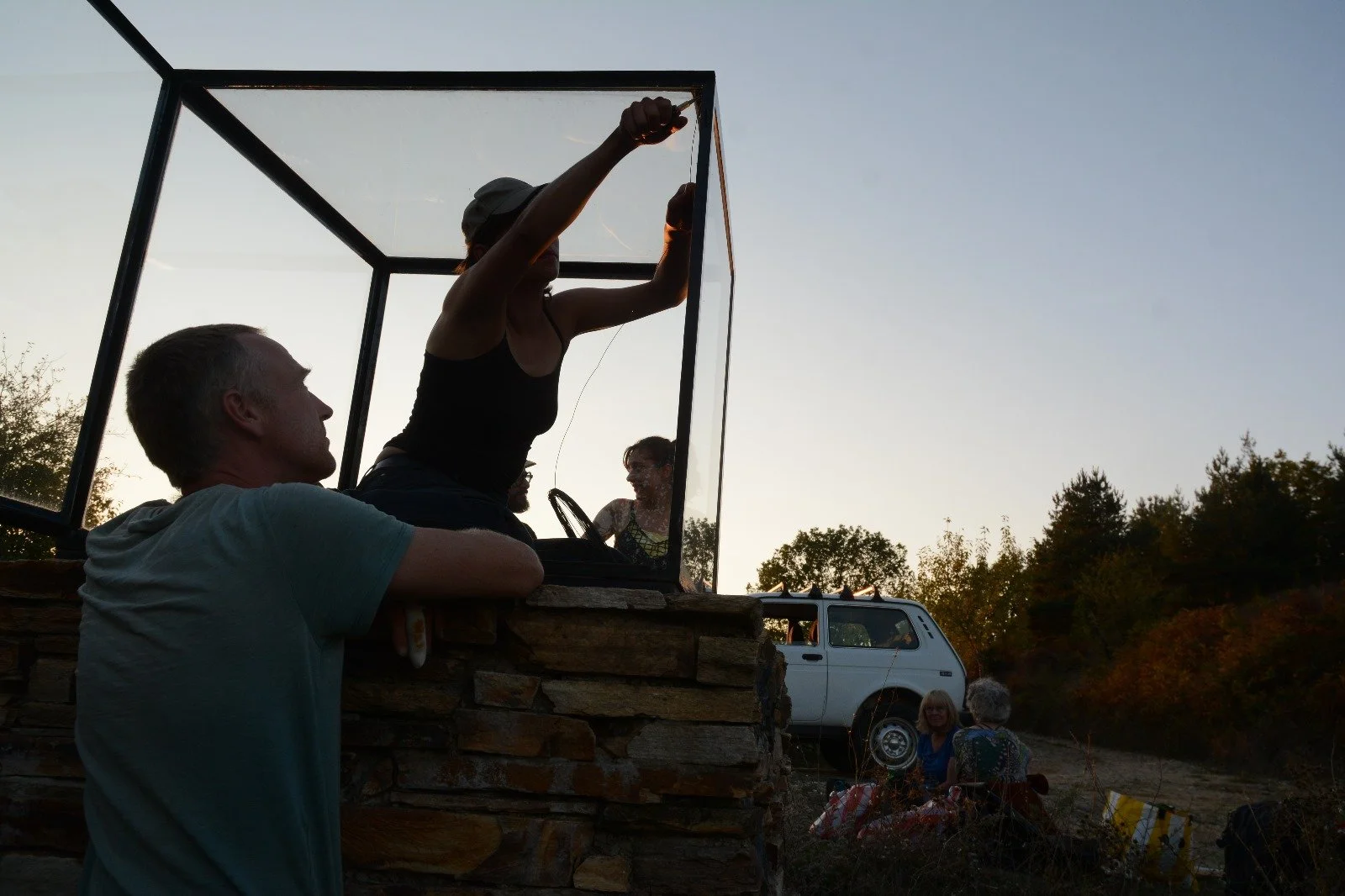
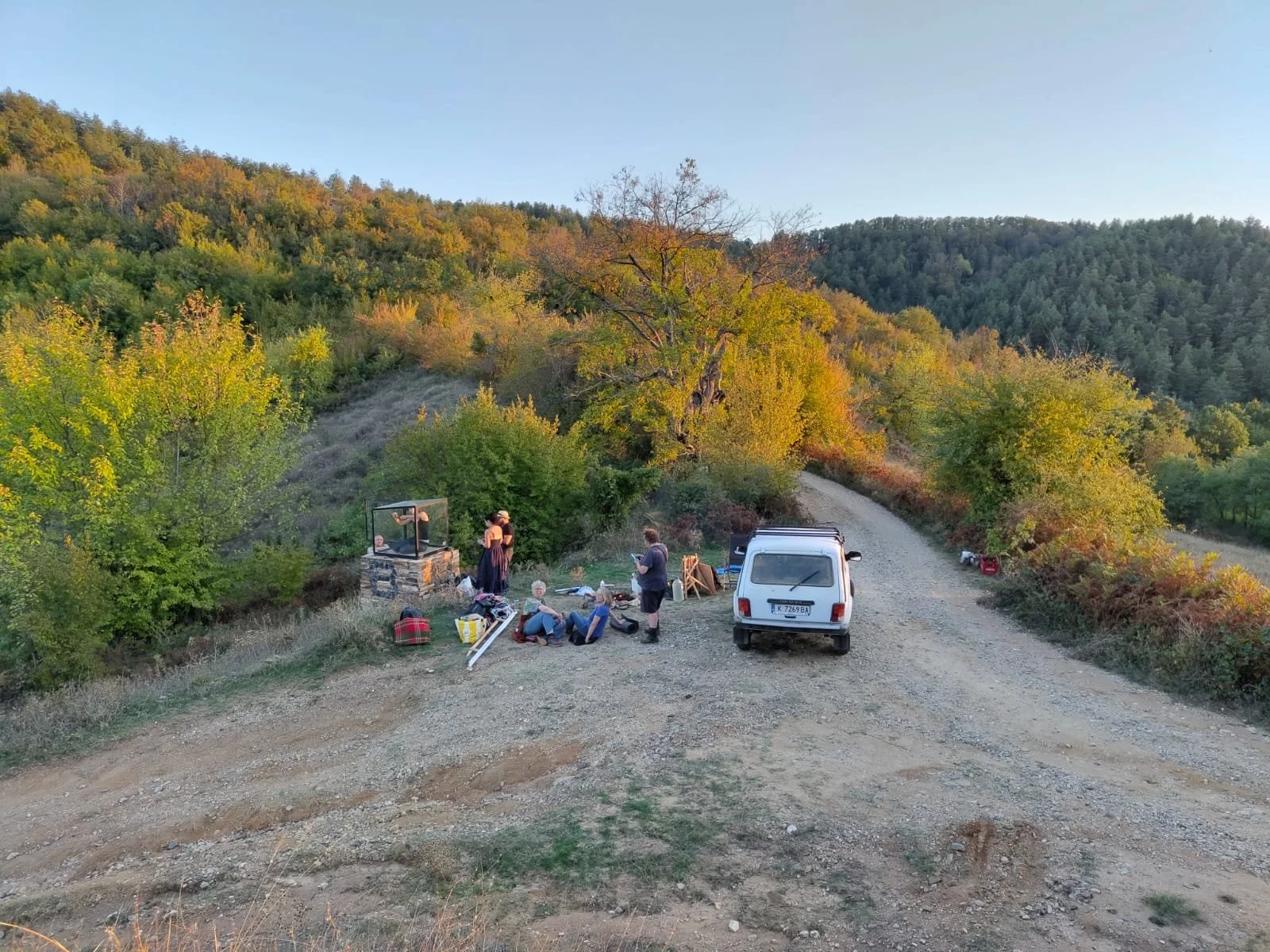
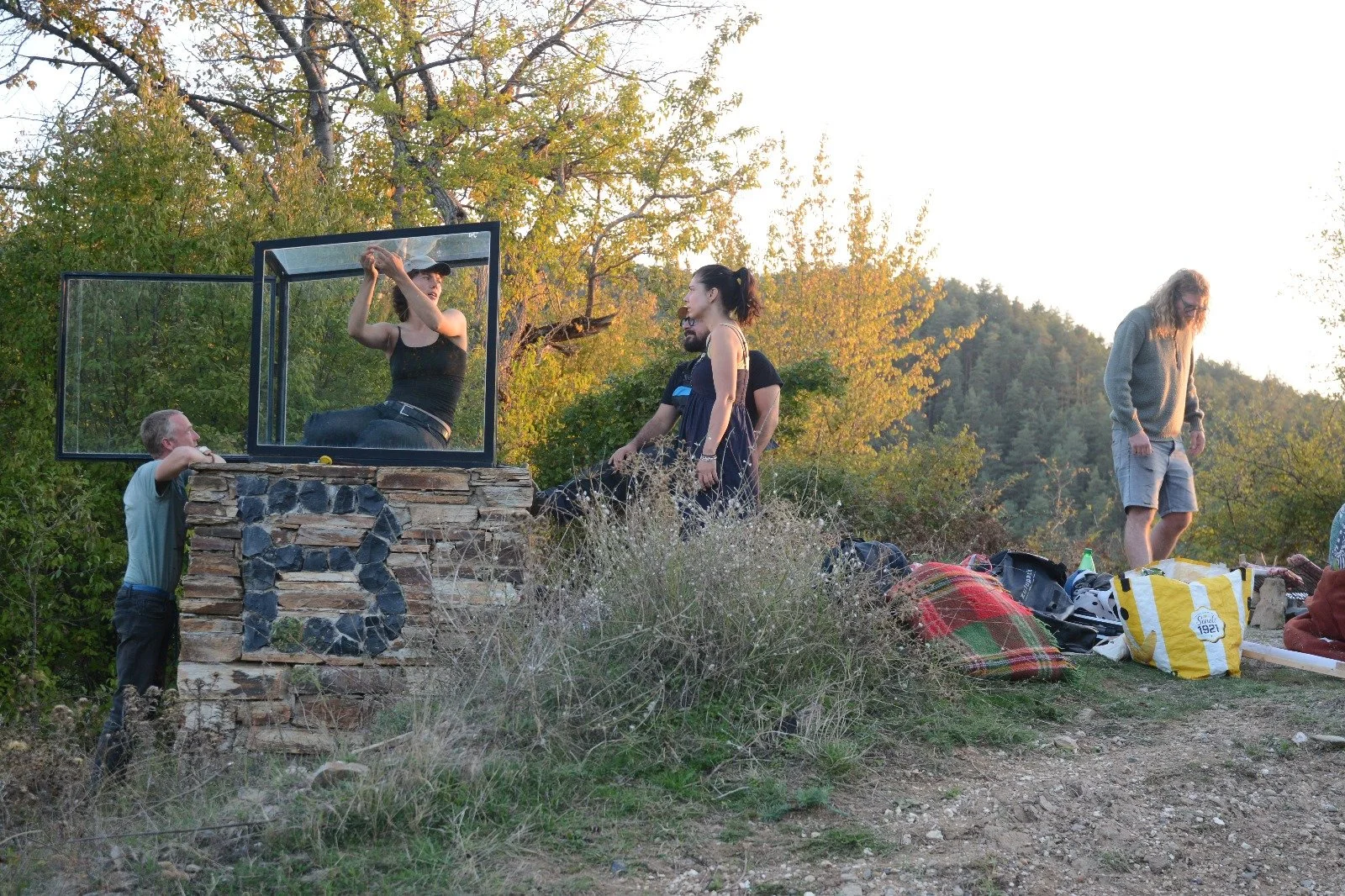
This installation marked an important development in my living archival practice. The texts were not presented as documentation of the sessions, but as traces of shared breath: fragments that had first moved through voice, body, firelight, and listening before becoming spatial.
The glass case became a form of suspended correspondence.
The mountain air became part of the archive.
The exhibition held what had passed between us.
Shared Air: Sonic Fragments, Maternal Echoes
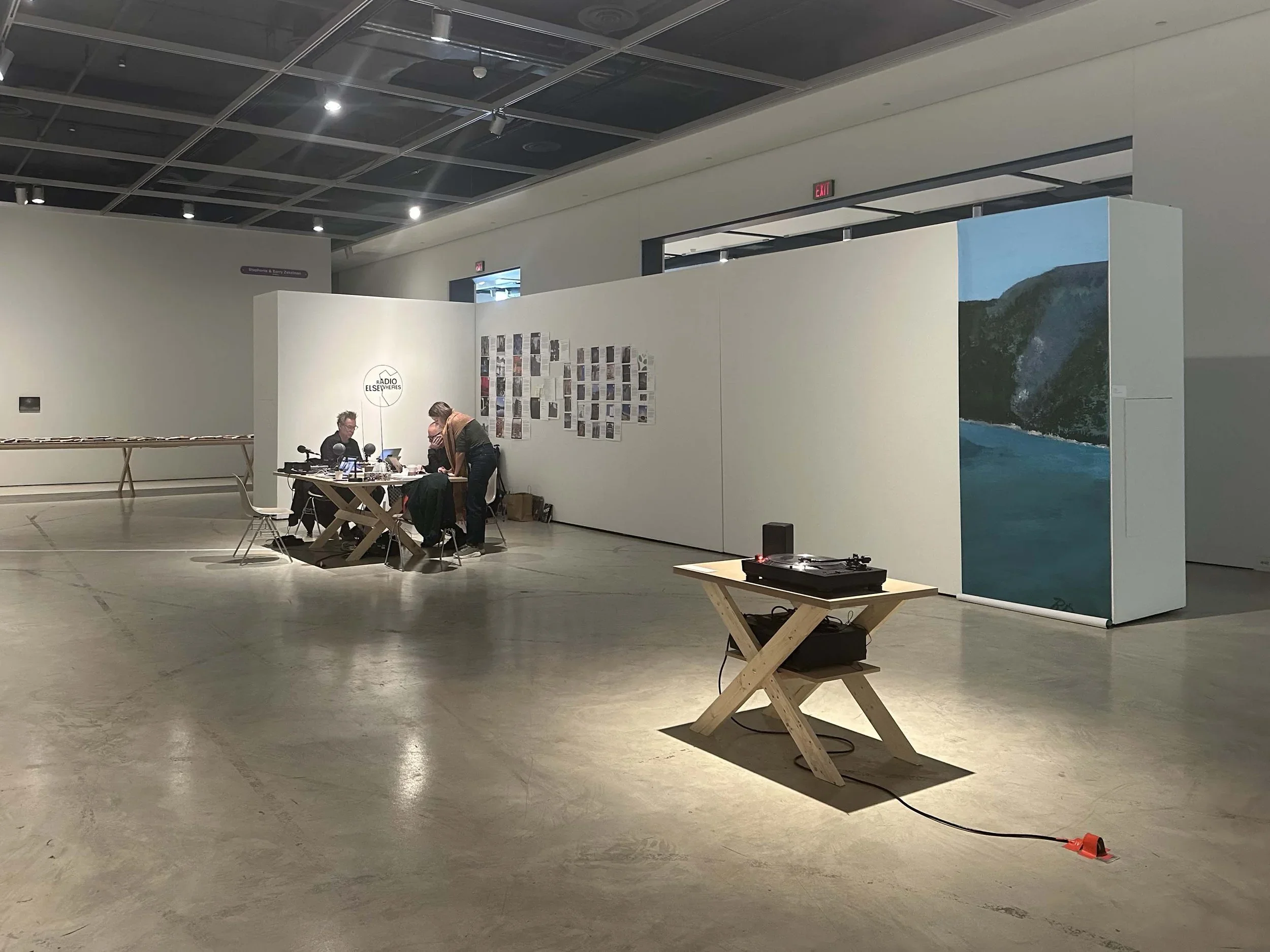
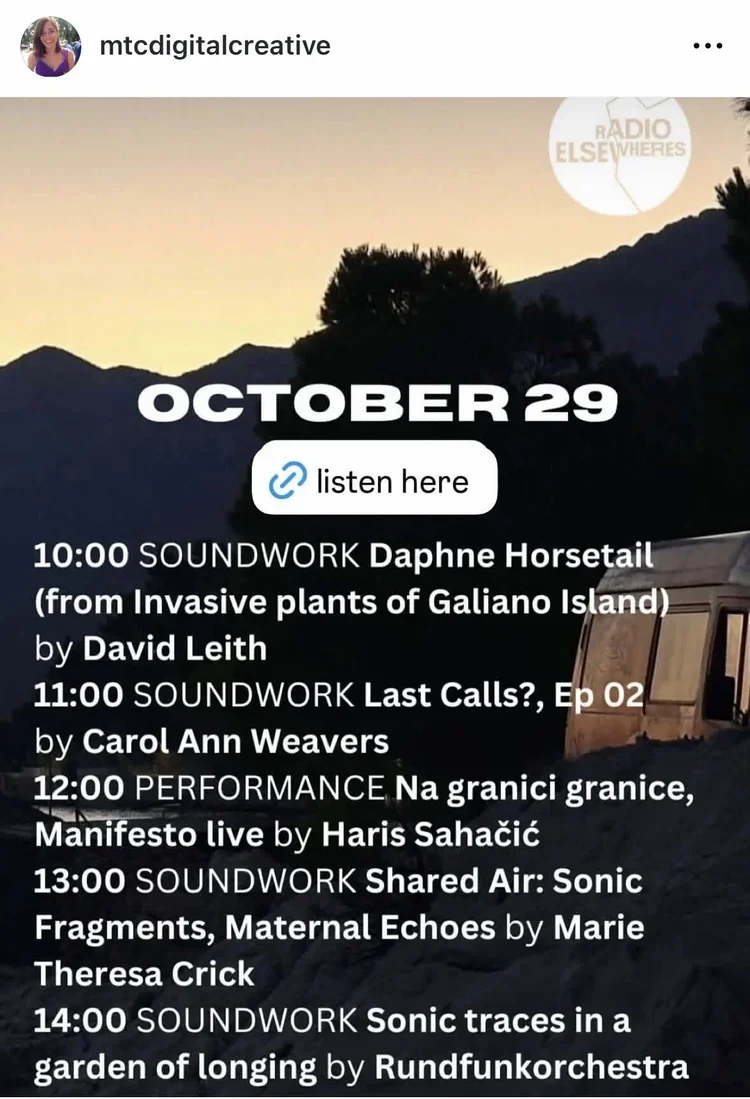
Radio Elsewheres [re.03], Art Windsor-Essex, Canada
16 October – 5 November 2025
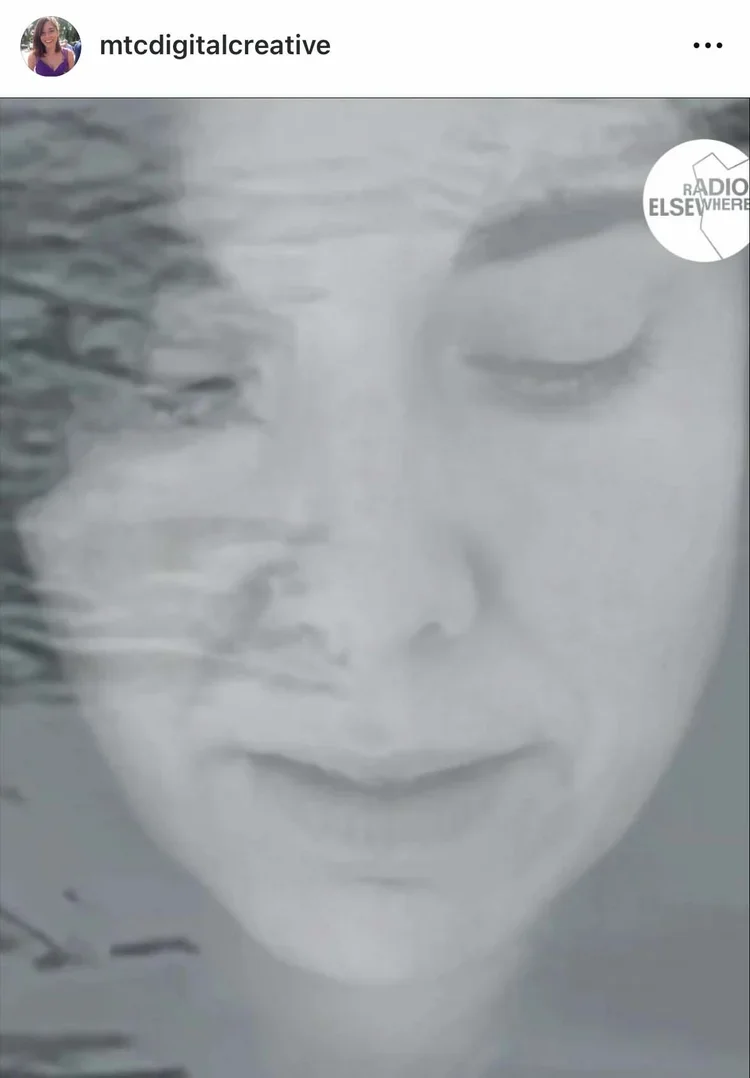
Shared Air: Sonic Fragments, Maternal Echoes is the first sound work in my Sonic Bodies constellation.
The work first aired as part of Radio Elsewheres [re.03] at Art Windsor-Essex, Windsor, Ontario. Though sound the piece forms part of my living archival and installation practice because it asks how sound can carry traces of embodied workshops, maternal memory, migration, and shared air across distance.
The work emerged from a question: what does it mean to listen to an embodied workshop later, elsewhere, through the body rather than the eyes?
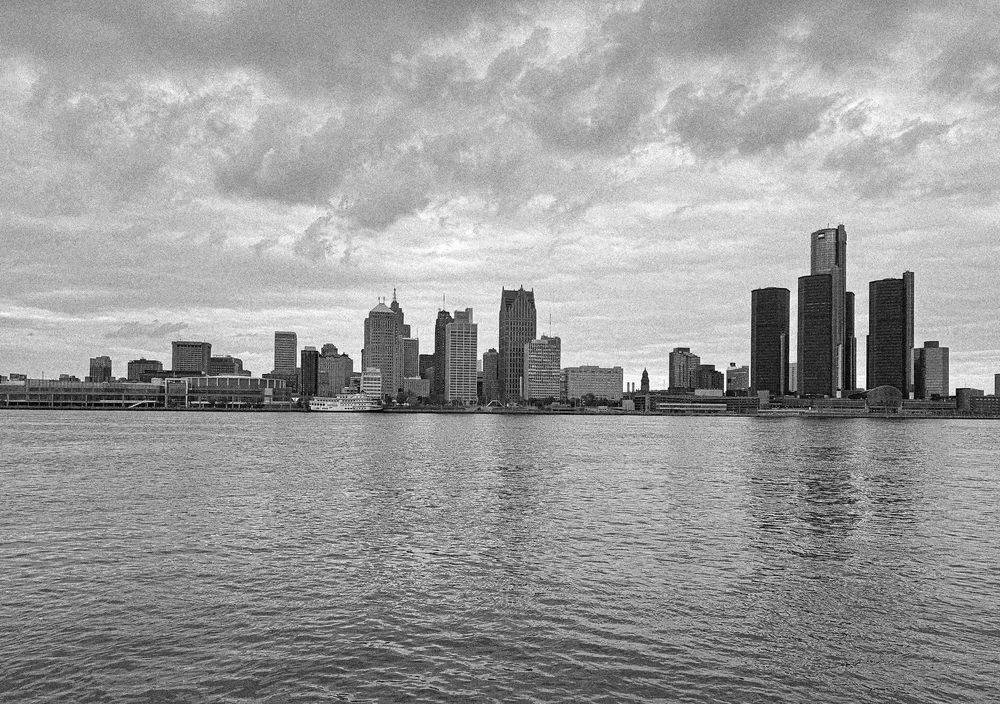
In Windsor, the piece entered into relation with the Detroit River, a threshold between Windsor and Detroit. This watery border resonated with the Irish Sea, which recurs throughout my practice as a site of migration, inheritance, separation, and return.
Sound became a travelling archive: breath, echo, pause, vibration, and delayed presence moving across borders, bodies, and waters.
Indeterminate Transmissions – Hydro-Feminine
Choreo Archive, SKEWED Gallery
November 2022
Indeterminate Transmissions – Hydro-Feminine developed from an embodied research and movement workshop facilitated with artist Daphna Westerman and researcher and dancer Jiaying Gao as part of Counterfield’s workshop series at Goldsmiths, University of London.
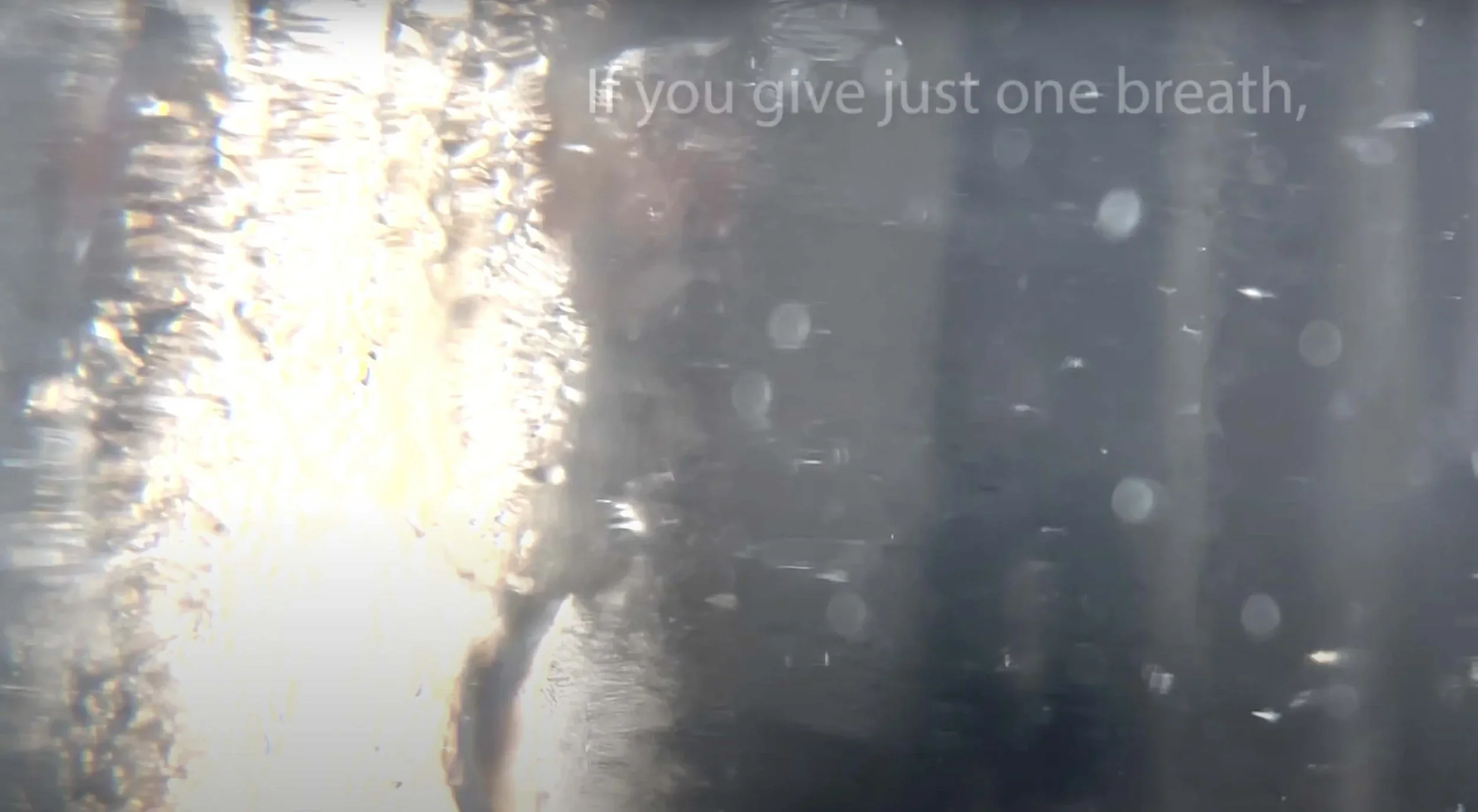
The workshop departed from my in-process filmic body Indeterminate Transmissions – Hydro-Feminine, a moving image work exploring breath, water, and the poetics of the hydro-feminine. Participants were invited to move and think collectively, activating their bodies in dialogue with the screen and with one another.
An invitation from the workshop began:
I invite you to move around your space.
Trace the floor with your feet.
How does the ground feel against your body?
How does the air move around you?
Inhale.
Exhale.
And find a place to settle.
When you are ready, I invite you to listen with your body.
The film was also part of the Choreo Archive exhibition at SKEWED Gallery in November 2022, which explored archive-making through dance and movement workshops. Jiaying Gao, co-curator of the exhibition, joined the Counterfield session virtually from China, extending the workshop across physical and digital space.
Working with breath, bodies, water, and Laura U. Marks’ idea of the skin of the film, this project became an early site for developing what would become a central methodology in my PhD research: filmic breath.
Here, I began to search for a reorientation of the Irish Catholic maternal through breath, Irigarayan shared air, and the moving image as an embodied archive.
The film became a body in the room: something to breathe with, move with, and listen beside.
Radical Friendship: Texts in Transit
Writing with the Maternal
Canada / Mexico / Ireland, in development
2026
Radical Friendship: Texts in Transit is a developing collaborative project with Mara González González that extends the online Radical Friendship Listening and Reading Group into a travelling archive across Canada, Ireland and Mexico.
Building from the visual map, session notes, companion texts, reflections, and questions gathered through the group, the project asks how texts move through space, how friendship becomes an open archival practice, and how reading can create relation across distance.
At the centre of this project is a shared method of writing with the maternal. Drawing from Hélène Cixous’s call to write with the mother — in the plural, as a practice of multiplicity, relation, and embodied memory — and Luce Irigaray’s concept of shared air, the project approaches reading and writing as relational acts.
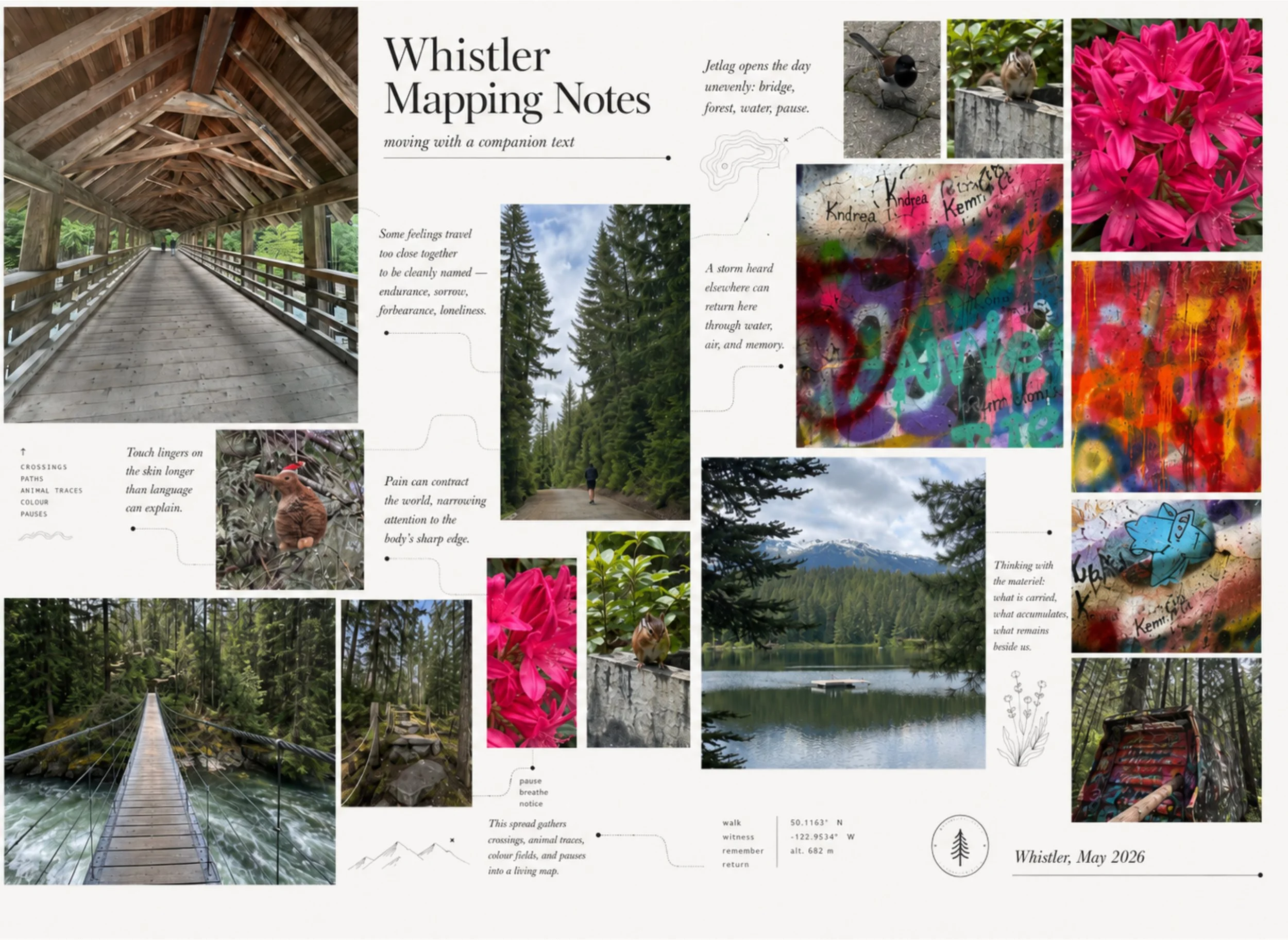
As I move through Canada, I will assemble temporary studio archives in the places I stay: books, notes, letters, sound fragments, film stills, images, correspondence, and annotated texts. These arrangements will be photographed and mapped as part of an unfolding archive that gathers toward an in-person Radical Friendship Listening and Reading Group in Toronto.
The archival fragments will be anchored by travelling texts, including The Fallen by Louise Brangan and We Do Not Part by Han Kang, carried through Whistler, Vancouver, Victoria, Calgary, Montréal, and Toronto, companioned by texts carried by Mara.
The project is also in dialogue with the collaborative paper Mara and I are developing on maternal archives, citation, memory, and embodied praxis. Rather than treating writing as separate from practice, the paper becomes one strand within the archive: a text in motion, shaped by correspondence, shared study, feminist philosophy, and the places through which it travels.
The Toronto gathering will open the archive into collective space. Participants will be invited to read, listen, annotate, and respond to selected fragments, asking how radical friendship might be practised through shared study, correspondence, and attention to what remains unresolved.
Correspondence, Letters, and Delayed Address
In development
A developing strand of my practice considers letters and correspondence as living archival forms.
This research emerges from my ongoing work with maternal letters, workshop addresses, consent forms, citational fragments, and delayed forms of communication. Letters appear in my practice as intimate documents, ethical invitations, performance scripts, archival traces, and forms of address that may not arrive directly or immediately.
Current research and future public-facing work are beginning to explore correspondence in relation to women’s voices, literary memory, justice and injustice, and the archive as a site of delayed relation. This developing work asks how letters can hold presence and absence at once, and how correspondence might create spaces for ethical listening across time.
I am especially interested in the letter as a form that does not fully disclose. It can withhold, interrupt, protect, misdirect, or return differently. In this sense, correspondence becomes central to my wider practice of living archives: partial, relational, and unfinished.
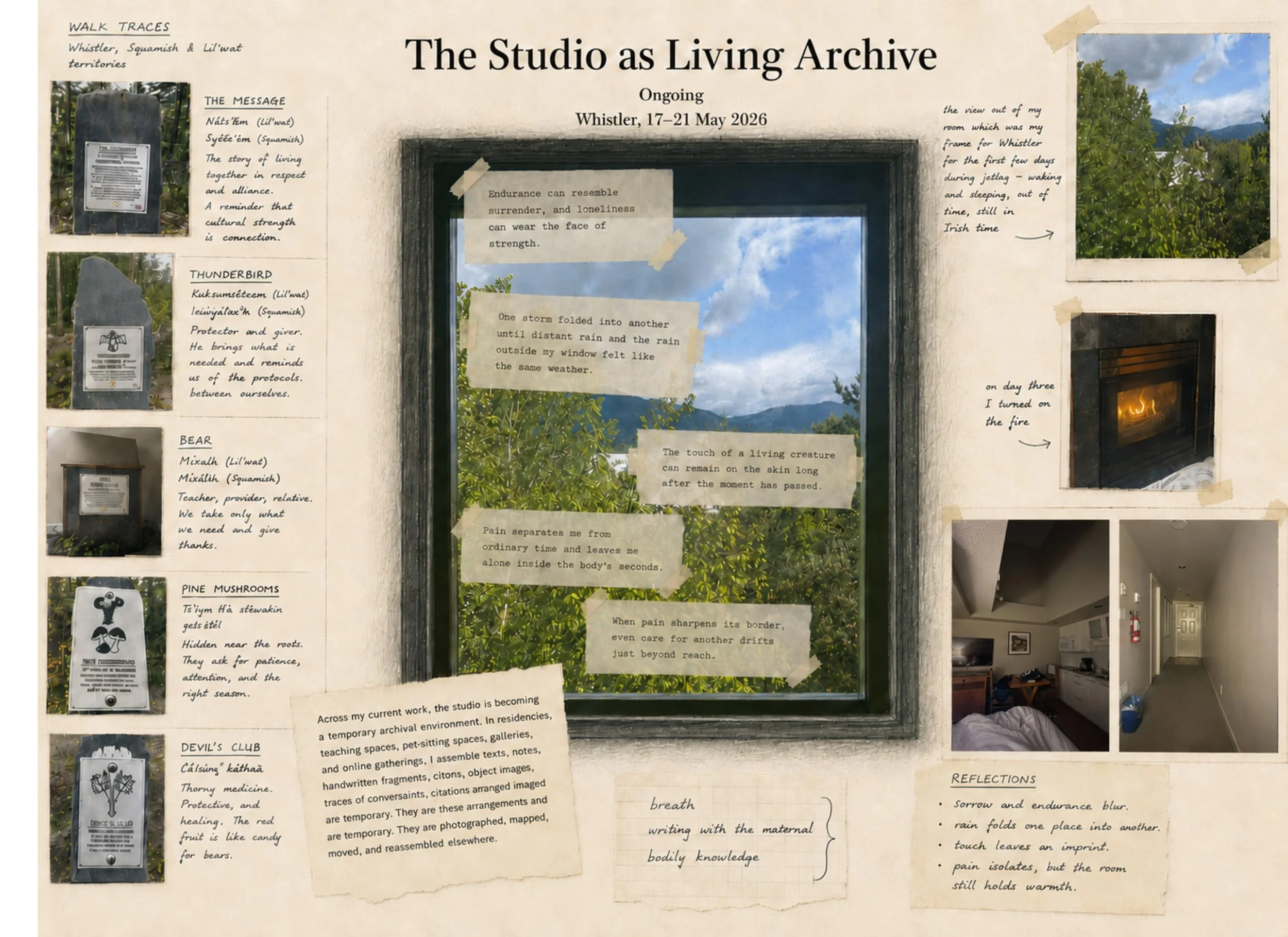
The Studio as Living Archive
Ongoing
Across my current work, the studio is becoming a temporary archival environment.
In residencies, teaching spaces, pet-sitting spaces, galleries, and online gatherings, I assemble materials that hold the evolving practice: texts, notes, sound files, film stills, books, water images, handwritten fragments, citations, objects, envelopes, and traces of conversation.
These arrangements are often temporary. They exist for a day, a week, or the duration of a gathering. They are photographed, mapped, moved, and reassembled elsewhere.
This method asks how a studio might become a listening space, how an archive might be activated through shared study, and how artistic research can remain responsive to the places and people that gather around it.