
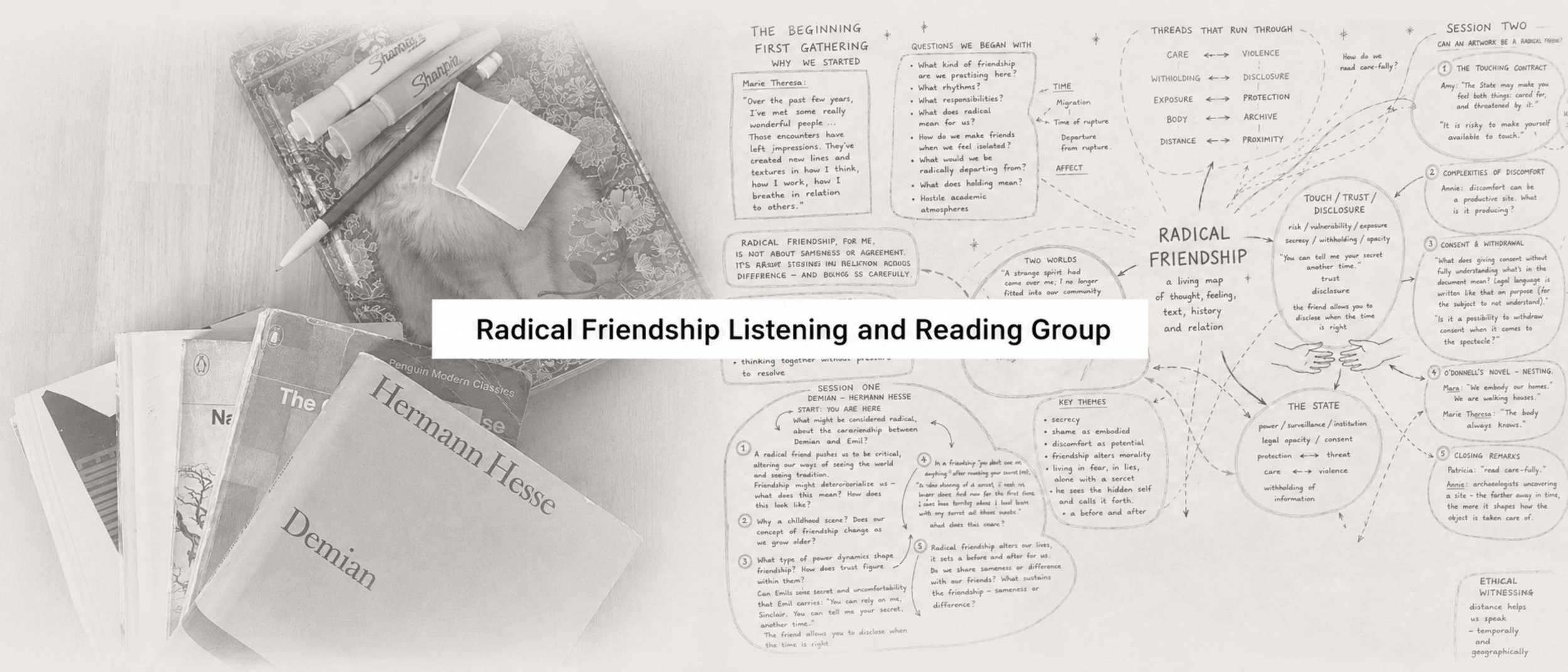
Online, ongoing | 2025–present
A transnational listening, reading, and study group
In Brief
The Radical Friendship Listening and Reading Group meets monthly online, bringing together artists, researchers, writers, and practitioners from across different countries, disciplines, and lived contexts. Each session is shaped around a text, artwork, film, fragment, sound work, image, or other resonant material shared by the host.
The group creates a slow, open-ended space for collective listening, reading aloud, annotation, silence, and discussion. There is no pressure to contribute in any particular way. Over time, the group has begun forming a living archive of texts, references, recordings, visual notes, and fragments generated through the sessions.
At its centre is a simple question: how might we remain in relation across difference, uncertainty, and discomfort — carefully?
Background
The group emerged from academic, artistic, and everyday encounters that felt fleeting but generative: conversations after workshops, exchanges across residencies, friendships formed through study, and collaborations sustained across distance.
Rather than approaching friendship as sameness, agreement, or comfort, the group treats friendship as a practice: something made and remade through attention, care, listening, and return. It is a space for thinking together without needing to arrive at consensus.
Drawing on transnational feminist practices, socially engaged artistic methods, and Stefano Harney and Fred Moten’s thinking on study, the group understands reading as a collective and relational practice. For Harney and Moten, study names what we do with one another in and against institutional structures: lingering in conversation, thinking and feeling together without the demand for immediate productivity, measurable outcomes, or easy legibility.
In this spirit, Radical Friendship becomes a fugitive form of study — a way of gathering that does not aim to consolidate a fixed “we,” but to remain with complexity, opacity, silence, and uneven histories.
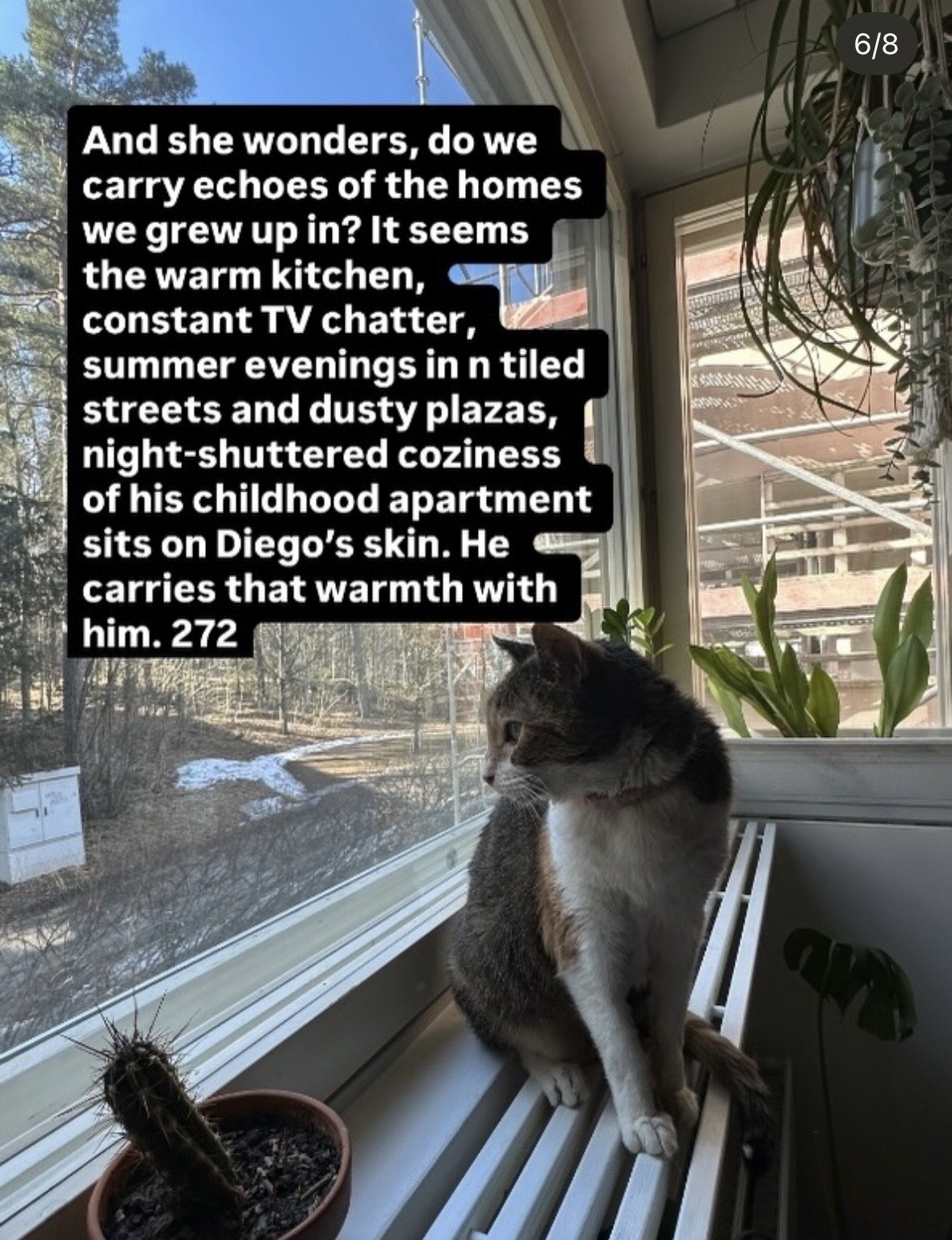
Part of a Wider Constellation
The Radical Friendship Listening and Reading Group forms part of a wider constellation of my socially engaged artistic practice, alongside breath-led workshops, embodied reading groups, archival installations, and developing university-based workshops.
Rather than existing only as a listening and reading group, it functions as a curatorial method: a way of gathering people, texts, artworks, fragments, questions, and atmospheres into relation. Each session becomes a small curatorial act, shaped by what is brought into the space and by how participants listen, pause, respond, and remain with one another.
This method extends into workshops and institutional contexts, where listening, shared study, and relational attention become ways of working with difficult histories without reducing them to explanation or resolution. The group therefore acts as both a practice and a seedbed: a place where methods of care, annotation, correspondence, and collective reading are tested, held, and carried into other forms.
How the Sessions Work
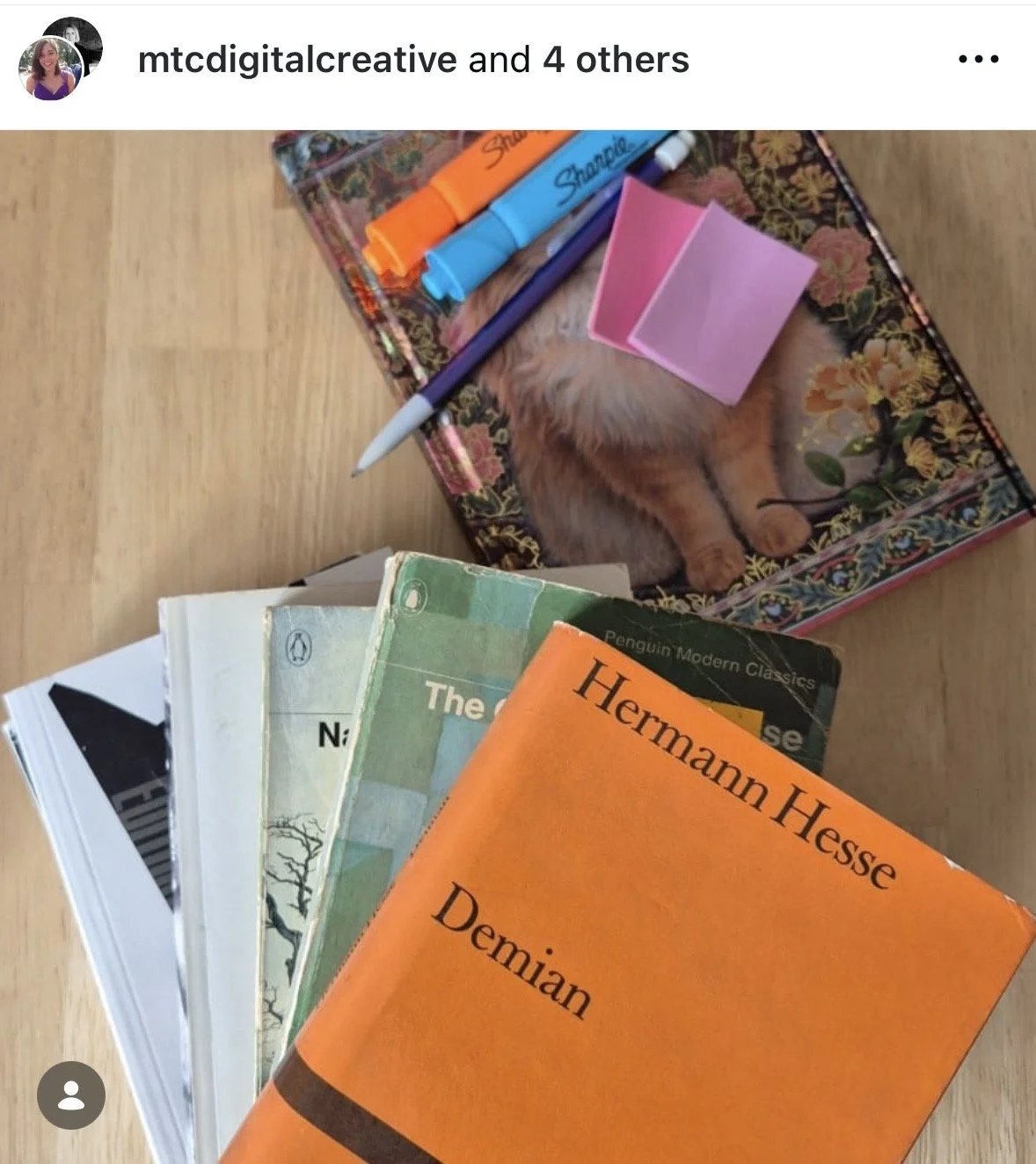
Each session is hosted by a member of the group and begins from a shared material: a literary text, artwork, film still, sound work, poem, theoretical fragment, personal object, or question.
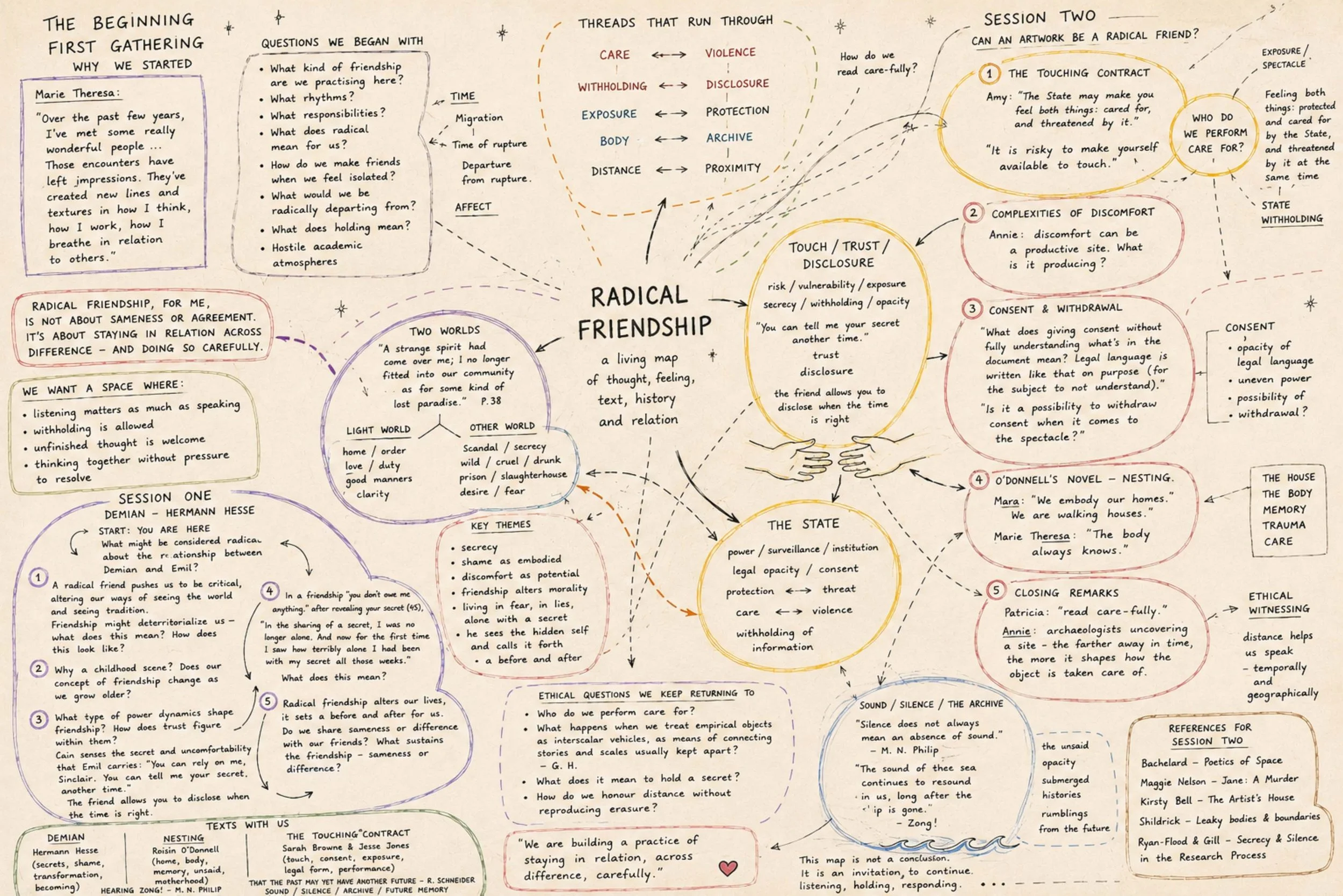
Sessions often include slow reading aloud, collective listening, annotation and visual mapping, open discussion, and reflection through images, notes, and fragments.
The group is intentionally non-hierarchical. The host offers a starting point, but the session unfolds through the collective attention of those present. There is no expectation to speak.
A Living Archive
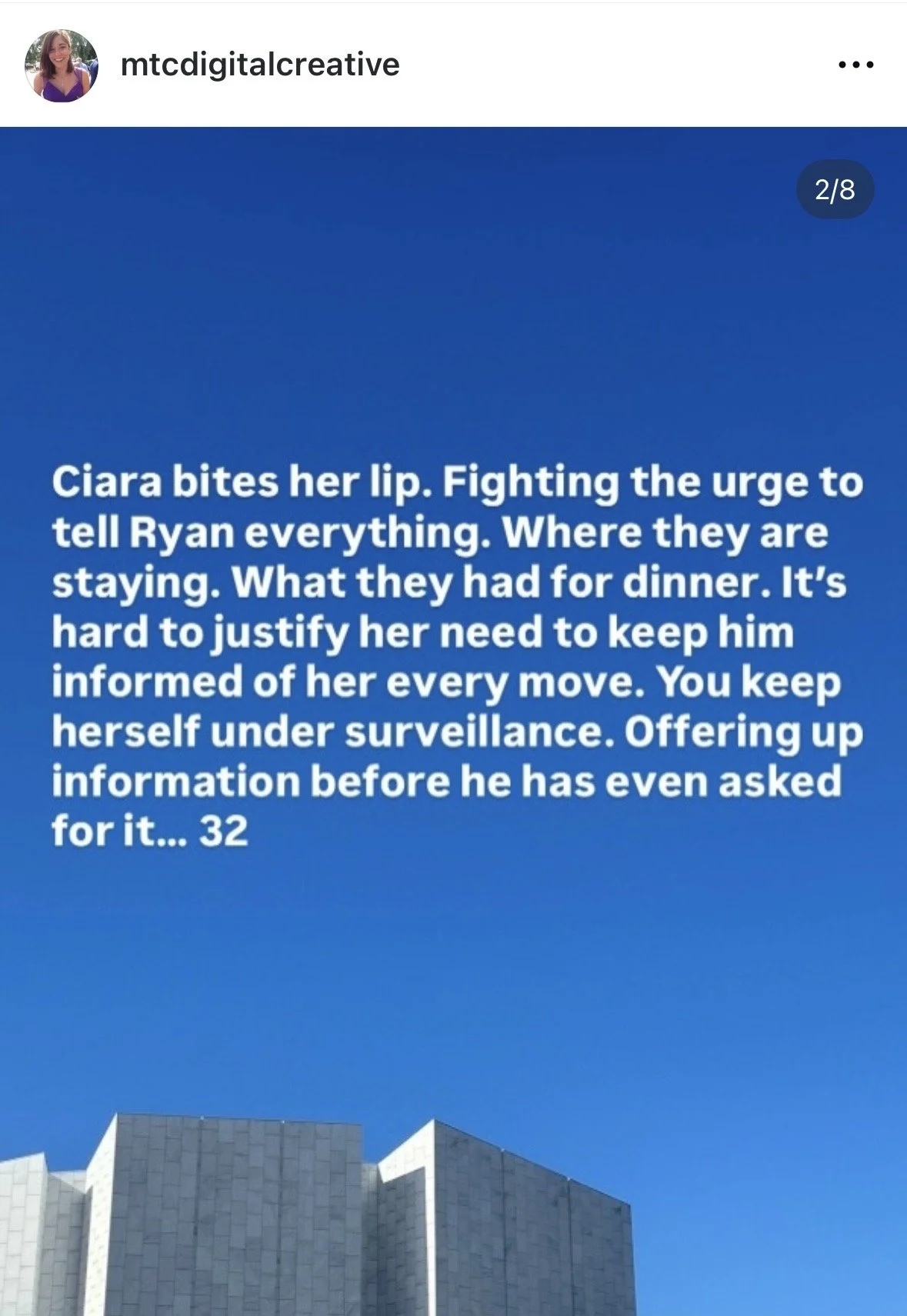
Over time, the group has begun developing an archive of the materials and traces that emerge through the gatherings: shared texts, participant notes, references, visual maps, screenshots, images, recordings, and fragments of conversation.
This archive is not a fixed record or complete documentation. It is a living, partial, and relational archive — one that preserves the threads, hesitations, textures, and recurring questions that move through the group.
It asks how study might leave a trace without becoming extractive, and how friendship might be documented without being fixed.
Radical Friendship as Method
Radical friendship, in this context, is a practice of staying alongside one another while allowing space for difference, opacity, silence, and partiality. It is a listening that does not extract. It is a form of relation that does not require certainty.
In increasingly polarised and hostile environments — within academia, cultural life, and the wider world — the group asks how we might continue to gather differently. How might we create small spaces of attention, care, and shared air that do not depend on agreement? How might we think together without collapsing complexity? How might we remain in relation without forcing resolution?
The group treats study as a shared social and artistic practice: a space where thought, feeling, and relation unfold collectively and without pressure toward conclusion.
Key Threads
Radical friendship
Collective study
Transnational feminist practice
Listening and reading aloud
Shared air
Care and discomfort
Opacity and silence
Annotation and visual mapping
Living archives
Memory, relation, and repair
Closing Line
We are building a practice of staying in relation, across difference, carefully.